Business Name: BeeHive Homes of Gallup
Address: 600 Gurley Ave, Gallup, NM 87301
Phone: (505) 591-7024
BeeHive Homes of Gallup
Beehive Homes of Gallup assisted living care is ideal for those who value their independence but require help with some of the activities of daily living. Residents enjoy 24-hour support, private bedrooms with baths, medication monitoring, home-cooked meals, housekeeping and laundry services, social activities and outings, and daily physical and mental exercise opportunities. Beehive Homes memory care services accommodates the growing number of seniors affected by memory loss and dementia. Beehive Homes offers respite (short-term) care for your loved one should the need arise. Whether help is needed after a surgery or illness, for vacation coverage, or just a break from the routine, respite care provides you peace of mind for any length of stay.
600 Gurley Ave, Gallup, NM 87301
Business Hours
Monday thru Sunday: 9:00am to 5:00pm
TikTok: https://www.tiktok.com/@beehivehomesgallup
YouTube: https://www.youtube.com/@WelcomeHomeBeeHiveHomes
Facebook: https://www.facebook.com/beehivehomesgallup
Instagram: https://www.instagram.com/beehivehomesofgallup/
Choosing an elderly care home is among those decisions that keeps individuals awake in the evening. You are weighing security versus self-reliance, medical needs against psychological requirements, and financial resources versus perfects. It is not a spreadsheet problem, it is a human one. I have actually sat at kitchen area tables with families in tears because they waited too long to strategy, and I have seen the relief in a child's shoulders when he recognizes his mother is lastly someplace safe, respected, and understood.
Good senior care is not just about clean floorings and arranged meals. It is about preserving an individual's story, their preferences, their peculiarities, and their dignity, even as they require increasing assist with every day life. The "finest" elderly care home is seldom the flashiest structure or the one with the thickest brochure. It is the one that fits your relative's needs, character, and worths, as well as your family's limits.
This guide walks through how to think of that option in a grounded, useful way.
Start with a clear picture of requirements, not buildings
People frequently begin by exploring assisted living facilities or nursing homes and reacting to what they see. That is understandable, but in reverse. The first step is to be brutally truthful about what your member of the family requires, now and in the near future.
I normally suggest three lenses.
The initially is day-to-day performance. Can they bathe and dress by themselves? Manage toileting reliably? Prepare meals safely? Manage their medications properly? A person who needs help tying shoes remains in a different situation than someone who forgets to switch off the stove.
The second is medical intricacy. Do they have conditions like heart failure, COPD, diabetes with regular hypoglycemia, or advanced Parkinson's? Do they require set up injections, oxygen, tube feeding, or wound care? Assisted living neighborhoods can manage some health needs, however complex medical care often points towards a greater level of support.
The 3rd is cognitive and psychological status. Mild memory lapses are one thing. Wandering, unsafe judgment, character modifications, or aggression suggest possible dementia and the requirement for personnel trained in memory care. Stress and anxiety, anxiety, or sorrow can likewise shape what environment will feel safe and tolerable.
Write these truths down in plain language, including the tough parts. Households in some cases sugarcoat since the reality harms, however a precise picture avoids bad positioning and repeat relocations later, which are harder on everyone, particularly the older adult.
Understanding the main types of elderly care
Once you comprehend the needs, you can take a look at care settings with clearer eyes. Terminology differs by nation and area, however broadly speaking, elderly care choices for those who no longer grow alone tend to fall under a couple of categories.
Assisted living is usually an excellent suitable for people who are mainly independent however need aid with jobs such as bathing, dressing, medication pointers, or house cleaning. Homeowners have personal or semi-private apartments, common dining, and structured activities. Treatment is present to a restricted degree, often via visiting nurses or contracted service providers, but constant medical monitoring is not the focus.
Nursing homes, or proficient nursing facilities, are designed for people who require continuous medical supervision and hands-on care. This might consist of locals recovering from strokes, those with late-stage chronic illness, or individuals who are bed-bound or very frail. Staff include signed up nurses, therapists, and assistants all the time. The environment feels more clinical and regulated, which respite care is suitable for the level of threat, but can be a modification for households expecting a homelike atmosphere.
Memory care units specialize in dementia and related cognitive conditions. They may exist within assisted living, within nursing homes, or as stand-alone communities. These systems typically feature safe doors to prevent risky roaming, simplified designs, and personnel trained in dementia interaction and behavior management. Activities are structured to protect staying abilities, not test deficits.
Respite care is short-term senior care, typically 2 days to a number of weeks, in a residential setting. It gives household caretakers relief from full-time obligation, or provides a safe place for an older adult while a main caregiver is hospitalized, journeys, or merely needs to reset. Respite can occur in assisted living, nursing homes, or devoted respite programs.
There are likewise continuing care retirement communities, or CCRCs, which combine independent living, assisted living, and nursing care on one campus. Homeowners can move between levels of care as their needs alter. These neighborhoods often need significant entry charges and detailed contracts, and they attract those who want to "age in place" within a single system.
The right category is not just about current needs. If someone's health is declining or dementia is advancing, a setting that can accommodate the next level of care without a disruptive move is typically worth a premium.
Balancing security with autonomy and dignity
Families often lean tough in one direction: either "lock whatever down so nothing bad can occur" or "I never desire them to seem like a client." The art depends on the middle.
Safety is non-negotiable. If an individual is at high risk of falling, wandering into traffic, mishandling medications, or beginning kitchen fires, an independent apartment with minimal oversight might be too risky, no matter how connected they are to the concept. I typically state that a hazardous "freedom" that results in a hip fracture or a house fire is not freedom in any significant sense.
At the same time, overprotecting can remove away self-respect. I when dealt with a resident, a retired carpenter, who was unpleasant in a highly institutional nursing home. He did not need that level of treatment yet, however his adult children were horrified of falls after a small event in the house. Moving him to a smaller assisted living community, where he could still play in a supervised workshop and stroll the garden with staff nearby, changed his state of mind. His fall danger was handled, not removed, and he seemed like himself again.

When you tour a facility, view how staff relate to citizens. Do they attend to people by name, at eye level, with patience? Or do they talk over them, rush them, or describe "feeds" and "diapers" within earshot? Considerate language and unhurried attention signal a culture that values self-respect as much as efficiency.
Autonomy can also be supported in small, useful ways. Look for versatility in schedules, not just a stiff "lights out at 8 p.m." routine. Ask if locals can individualize their rooms, choose what to eat from more than one choice, and go to or skip activities without pressure. The more an individual can still make meaningful choices, the much better their lifestyle, even within the structure of assisted living or a nursing home.
What to try to find on a visit (beyond the brochures)
Most families visit a number of neighborhoods before choosing. The impression matters, however be cautious about being swayed by chandeliers and manicured yards alone. Cleanliness and visual appeals count, but they are the easy part to stage.
The real information emerges in the details. Notice the odor when you stroll in. A faint cleaning product fragrance is regular in care settings. Relentless smells of urine or feces recommend chronically insufficient staffing, bad continence assistance, or disregarded housekeeping.
Listen for the general noise level. A constant chorus of unanswered call bells, yelling, or disorderly overhead pages signals tension on staff and homeowners alike. A peaceful environment is not instantly great either; total silence in some cases implies locals are separated in spaces with little engagement.
Observe locals' affect. Do the majority of people look groomed, dressed in regular clothes, and engaged with something, even if it is the tv or a puzzle? Or do you see numerous in wheelchairs parked along corridors, plunged over, or calling out without action? You can discover more in 10 minutes of casual observation than in an hour of marketing talk.
Do not be shy about asking direct concerns. "What is your staff-to-resident ratio on nights and weekends?" "How do you deal with behavioral changes in dementia?" "The number of residents are sent out to the hospital every month?" "What is your turnover rate for caregivers?" You will not get perfect answers, but the transparency and specifics matter. Incredibly elusive actions or "we can't share that" to every concern are warning signs.
I encourage families to visit twice if possible, at various times of day. Mornings show how personal care, medications, and breakfast are managed. Late afternoons or nights can reveal whether residents get restless and how personnel handle "sundowning" habits in those with dementia.
A short list of non‑negotiables
When emotions run high, it assists to anchor yourself in a few clear must‑haves. For a lot of households selecting an elderly care home, the following products, at minimum, should have that status:
- Documented policies for falls, medication management, and emergency transfers, consisting of how and when families are notified Staff trained specifically in dementia, if your relative has or is thought to have cognitive disability Clear, written rates that identifies base costs from add‑ons, with realistic forecasts for likely increases A method for residents to voice concerns or grievances without retaliation, and a course for households to escalate problems Licensure in excellent standing with the relevant regulative body, with recent evaluation reports offered for review
Treat these as limits. If a facility can not satisfy you on these points, nice design or a friendly salesperson must not compensate for that gap.
Staffing: the surprise engine of quality
The best structure worldwide can not compensate for insufficient staffing. Alternatively, I have seen modest older structures where personnel knew every resident's history, choices, and medical peculiarities, and results were excellent.
Ask about staffing ratios, however do not stop there. Ratios on paper can be misinforming if the team is constantly churning. High turnover typically results in irregular care, more errors with medications, and residents feeling anxious because "everyone is new all the time."
In good senior care programs, nursing assistants or care assistants generally understand citizens best. They observe when somebody is "off" before vital indications reveal an issue. See how they move through the area. Are they strolling briskly but calmly, or appearing worried, hurried, or irritated? Do they react to call lights without delay or seem overwhelmed?
Staff training is similarly important. For assisted living or memory care, training in dementia interaction methods, safe transfers, and de‑escalation of agitation is crucial. Ask how frequently personnel receive ongoing education. A one‑time orientation from five years back is not enough.
A subtle sign of a strong culture is how management speak about caregivers. If management talks with regard, acknowledges the difficulty of the work, and can explain concrete efforts to support personnel, that typically correlates with much better care.
Activities, community, and the risk of peaceful loneliness
Families in some cases prioritize spa‑style features over day‑to‑day stimulation. A saltwater pool or movie theater looks remarkable, yet the genuine determinant of life quality is whether your relative will feel part of a community.
Look beyond the printed activity calendar. Anybody can put "art treatment" on a schedule. Ask to visit during an activity hour. Are citizens genuinely getting involved, or are two individuals engaged while everybody else stares blankly? Are activities adapted for different cognitive and physical abilities?
Variety matters. Some people thrive on group events, others prefer one‑on‑one interactions. Strong programs blend exercise, imaginative pursuits, gatherings, and peaceful, personalized offerings. For somebody with memory problems, even a 15‑minute small group focused on music or reminiscence can be more meaningful than a big, busy gathering.
Also consider the cultural and spiritual requirements of your family member. Does the community deal services or assistance that lines up with their faith or worldview? Are there staff or citizens who share a language or cultural background that may make your relative feel less like a stranger?
Loneliness can be profound in senior care communities that look dynamic from the exterior. A resident can be physically surrounded by others and still feel unnoticeable if personnel are too rushed to talk, or if activities are not customized. Ask how the team notifications when somebody withdraws, and what they do about it.
Food, nutrition, and the function of pleasure
Meals structure the day and frequently supply the primary social touchpoints in elderly care. Poor food can sour the whole experience, even if the rest of the care is adequate.
Insist on tasting a meal yourself. Focus on both flavor and presentation. Food in nursing homes should fulfill regulative nutrition standards, however that does not need it to be boring or unappetizing. In assisted living, there is frequently more flexibility in menu style, but quality differs dramatically.
Ask how unique diets are managed. For homeowners with diabetes, kidney illness, or swallowing problems, the ideal balance of safety and enjoyment is critical. Overly limiting diets can result in weight reduction and anxiety, particularly if enforced rigidly on someone who is nearing the end of life. A good care group will talk about goals and trade‑offs with you and your relative, not simply follow a default template.
Flexibility around mealtimes and snacks also indicates respect for specific choices. Somebody who has actually eaten a late breakfast their entire life may struggle with a stringent 7 a.m. Meal. Within factor, neighborhoods that enable some option in timing typically see better intake and fewer behavioral issues.
Money, contracts, and sensible planning
Finances are often the elephant in the space. High quality elderly care is pricey, whether it is assisted living, memory care, or nursing care. Disregarding the monetary piece results in crises when money runs out.
Be honest about your spending plan, not just for this year, however for a likely period of requirement. Lots of citizens reside in care homes for three to 7 years, sometimes longer. Consider yearly rate boosts, which can vary from 3% to 8% or more depending upon inflation, staffing costs, and regulatory changes.
Read contracts slowly and, if possible, with another set of eyes. Take note of how and when charges change. Some assisted living facilities use a "level of care" system, where greater requirements set off greater month-to-month charges. Others operate more a la carte, billing separately for assist with bathing, medication administration, or incontinence care. Request for a sensible cost quote based upon your relative's present condition, not just the base rate.
Understand what occurs if your relative's money runs low. Does the center accept public financing or insurance programs after a personal pay period? Are there waitlists for those subsidized spots? I have actually seen families forced to move a frail parent from a precious home because they did not prepare for this transition.
Clarify policies on refunds, deposits, and notice periods if you decide to move out. Also ask what takes place if your relative is hospitalized for an extended time. Will you still be billed the full monthly rate to hold the room?
It deserves talking with a financial planner or elder law lawyer, specifically if there are numerous siblings, complex assets, or a need to navigate public advantage programs. Clarity now prevents dispute later.
When respite care becomes a screening ground
Respite care is often framed as simply a break for the household caretaker, which it definitely is. However it can also function as a low‑risk trial for a prospective long‑term placement.
If you are uncertain how your relative will tolerate a communal living environment, a week or two of respite in an assisted living or nursing home can give you vital details. You see how personnel in fact run when marketing staff are not hovering, and your member of the family experiences the rhythm of the place.
When arranging respite, treat it as seriously as permanent placement. Ask the same questions about staff ratios, medical coverage, and activities. Supply in-depth background on your relative's regimens, likes, and dislikes. A great senior care team will utilize that info to smooth the change instead of treating respite residents as transient "additionals."
Watch how your relative looks and behaves during and after the stay. Did they consume much better? Seem calmer or more anxious? Point out any staff by name, positively or negatively? Their feedback, even if infiltrated dementia or health problem, provides ideas about fit.
Families, interaction, and shared expectations
Even in the very best elderly care home, there will be imperfect days. A missed shower, a lost sweater, or a hold-up in answering a call bell will happen occasionally. The true test is how the facility responds when things go wrong.
Before relocating, clarify communication channels. Who is your main point of contact for medical updates? For billing concerns? For daily issues? Ensure the names and functions are jotted down. Ask how often care plan conferences take place and whether you can participate in by phone or video if you live far away.
Establish a tone of considerate partnership from the start. Share what works and what does not with your relative, not as commands, however as helpful context. Welcome staff to inform you what they are observing too. In my experience, small, early conversations about issues avoid bigger blow‑ups later.
Families in some cases battle with regret, which can spill into interactions with personnel. It is natural to feel conflicted, specifically if your relative did not wish to leave home. Keep in mind that your function has moved from hands‑on caregiver to promote and psychological anchor. Accepting help from a strong elderly care team is not abandonment, it is a different sort of loving care.
Pulling it all together: matching person, place, and timing
There is no perfect elderly care home. There are places that are safe enough, caring enough, and aligned enough with your relative's requirements and character that life can still hold pleasure, purpose, and dignity.
When choosing amongst choices, it often assists to note your leading two or 3 concerns, then see which facility matches most carefully. For some households, distance is paramount, since regular visits matter more than facilities. For others, specialized memory care or a robust rehab program outweighs distance.
If you are deciding between assisted living and a higher level of care, ask yourself not just "Can they handle here now?" however "Is this most likely to still be appropriate twelve to twenty‑four months from now?" A somewhat greater level of assistance that prevents duplicated relocations might be kinder overall.
Above all, remember that this is a process, not a single irreparable decision. Individuals move, care plans alter, and centers progress. Staying engaged, checking out routinely, and keeping open interaction with the care group will matter simply as much as where you sign the admission papers.
A great elderly care home, whether focused on assisted living, complete nursing care, or a specialized memory or respite care program, ends up being an extension of your household's capacity to like and safeguard an older relative. The time you invest in selecting carefully is an act of respect for their history, and a practical safeguard for their future.
BeeHive Homes of Gallup provides assisted living care
BeeHive Homes of Gallup provides memory care services
BeeHive Homes of Gallup provides respite care services
BeeHive Homes of Gallup supports assistance with bathing and grooming
BeeHive Homes of Gallup offers private bedrooms with private bathrooms
BeeHive Homes of Gallup provides medication monitoring and documentation
BeeHive Homes of Gallup serves dietitian-approved meals
BeeHive Homes of Gallup provides housekeeping services
BeeHive Homes of Gallup provides laundry services
BeeHive Homes of Gallup offers community dining and social engagement activities
BeeHive Homes of Gallup features life enrichment activities
BeeHive Homes of Gallup supports personal care assistance during meals and daily routines
BeeHive Homes of Gallup promotes frequent physical and mental exercise opportunities
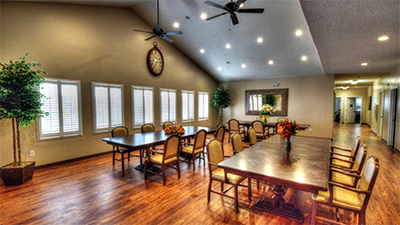
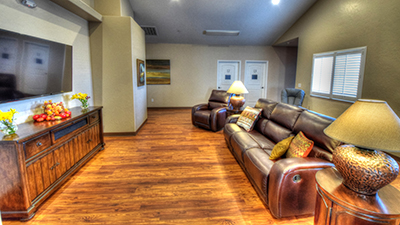
BeeHive Homes of Gallup provides a home-like residential environment
BeeHive Homes of Gallup creates customized care plans as residents’ needs change
BeeHive Homes of Gallup assesses individual resident care needs
BeeHive Homes of Gallup accepts private pay and long-term care insurance
BeeHive Homes of Gallup assists qualified veterans with Aid and Attendance benefits
BeeHive Homes of Gallup encourages meaningful resident-to-staff relationships
BeeHive Homes of Gallup delivers compassionate, attentive senior care focused on dignity and comfort
BeeHive Homes of Gallup has a phone number of (505) 591-7024
BeeHive Homes of Gallup has an address of 600 Gurley Ave, Gallup, NM 87301
BeeHive Homes of Gallup has a website https://beehivehomes.com/locations/gallup/
BeeHive Homes of Gallup has Google Maps listing https://maps.app.goo.gl/iMEbZo7VyH1tHATP9
BeeHive Homes of Gallup has TikTok page https://www.tiktok.com/@beehivehomesgallup
BeeHive Homes of Gallup has an YouTube page https://www.youtube.com/@WelcomeHomeBeeHiveHomes
BeeHive Homes of Gallup has Facebook page https://www.facebook.com/beehivehomesgallup
BeeHive Homes of Gallup has Instagram page https://www.instagram.com/beehivehomesofgallup/
BeeHive Homes of Gallup won Top Assisted Living Homes 2025
BeeHive Homes of Gallup earned Best Customer Service Award 2024
BeeHive Homes of Gallup placed 1st for Senior Living Communities 2025
People Also Ask about BeeHive Homes of Gallup
What is BeeHive Homes of Gallup Living monthly room rate?
The rate depends on the level of care that is needed. We do a pre-admission evaluation for each resident to determine the level of care needed. The monthly rate is based on this evaluation. There are no hidden costs or fees
Can residents stay in BeeHive Homes of Gallup until the end of their life?
Usually yes. There are exceptions, such as when there are safety issues with the resident, or they need 24 hour skilled nursing services
Do we have a nurse on staff?
No, but each BeeHive Home has a consulting Nurse available 24 – 7. if nursing services are needed, a doctor can order home health to come into the home
What are BeeHive Homes of Gallup's visiting hours?
Our visiting hours are currently under restriction by the state health officials. Limited visitation is still allowed but must be scheduled during regular business hours. Please contact us for additional and up-to-date information about visitation
Do we have couple’s rooms available?
Yes, each home has rooms designed to accommodate couples. Please ask about the availability of these rooms
Where is BeeHive Homes of Gallup located?
BeeHive Homes of Gallup is conveniently located at 600 Gurley Ave, Gallup, NM 87301. You can easily find directions on Google Maps or call at (505) 591-7024 Monday through Sunday 9:00am to 5:00pm
How can I contact BeeHive Homes of Gallup?
You can contact BeeHive Homes of Gallup by phone at: (505) 591-7024, visit their website at https://beehivehomes.com/locations/gallup/ or connect on social media via TikTok Facebook or YouTube
Visiting the Gallup City Park offers shaded seating and open green space where residents in assisted living, memory care, senior care, elderly care, and respite care can enjoy gentle outdoor relaxation.